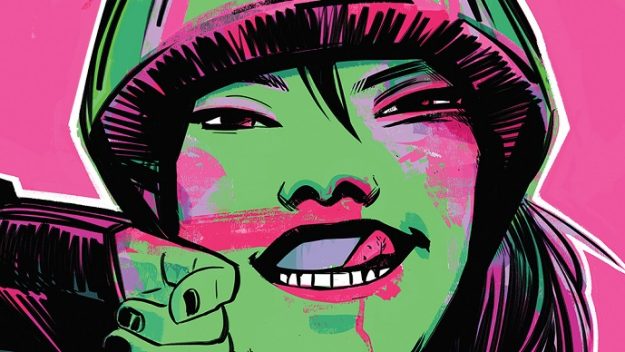
This one is for you Anon.
Lets start this post by getting the elephant in the room out of the way by making it clear that I am a man.
Shock and horror I know but being a man does not mean that I have not supported the #MeToo moment, in NZ or worldwide, but have in fact been down with it.
Also, in the past some on this blog have called me a "sexist" for comments made about Paula Bennett but the extent of their arguments extended to calling me a "sexist' and that was it, no actual evidence or discussion but just labeling me as if that was enough to do.
And I raise this here because being critical of a person (a single individual), be it their dress sense, their politics, their lifestyle, religion or whatever does not mean that its appropriate to attach some sort of "ism" or "ist" based label as a badge denoting that that view can be expanded to cover an entire sex, race or species when its just comments about a single individual.
Whats that got to do with the price of milk in Mongolia? Well a lot actually.
See, the #MeToo movement is part of the longer running struggle for women's rights and equality as well as a larger shift in the ability of the public to discuss things like sexual abuse without feeling shame or being pressured into silence and the very visible outpouring in the wake of #MeToo in NZ has shown that behind the wall of silence the pressure had been building up because for all the legal enactment of women's rights (and for LGBTQ community as well) the social follow through has been slow in coming.
Its been nearly 50 years since the Stonewall riots in New York in 1969, which are generally considered as the start of the modern fight for Gay rights and over 120 years since women got the right to vote in NZ yet its been clear that despite having had several female PMs, many female MPs and business leaders (and its great to see criminal and traitor Jenny Shipley breaking though the glass ceiling by showing that women can be held just as liable as men for extremely dodgy criminal dealings) and so on and so forth men still seem to be ruling the roost, or more correctly the framework is in place for "equality between the sexes and genders" but the culture has not shifted fully and hence why #MeToo flared up in late 2016 and became a widespread rallying call to shift that culture.
And I call this the "gentle revolution" not in reference to the female sex or anything like that but because as revolutions go its been completely bloodless (well almost bloodless).
Most revolutions will see at least someone put up against the wall and shot (usually literally but occasionally metaphorically) but this revolution has occurred without any of that happening.
Yes some careers have been flushed down the gurgler but in an age where the Catholic Church now appears to be organized and run purely for the benefit of pedophiles and sexual abuse is still a major issue it was clear that having a law was not enough and that some actual change at ground level (read an actual revolution) was still needed.
And its a revolution that was predicted almost 50 years ago by Germaine Greer in the Female Eunch and hoped for Simone De Beauviour 70 years ago in her book The Second Sex (and with Naomi's Woolf's The Beauty Myth in the 90s) but sadly not able to metamorph at the time but finally kicked off with the #MeToo movement and the ongoing social agitation of what has been called Third Wave Feminism.
However that does not mean that I am down with all that has gone on in this "revolution" and I maintain a stance similar to that of Camille Paglia (in her book Sexual Personae and her general thought and theory) in that just because you are a feminist does not put you above criticism, give you an invincible moral shield (based on your sex/gender) which protects you from all criticism or that sex and sexuality is not just an abstract social construct but something also rooted in biology and as such there are some immutable aspects of sex and sexuality which cant just be ignored or overridden by blind ideology and group chanting.
One of the m ore valid criticism often leveled at feminism is that it seems to have been enacted and empowered mostly for and by rich white women (and I get the irony of the four feminist authors cited above being such) and that the spoils of the revolution have not been shared equally which is why the legal enactments of the past have not been matched by the broader cultural shift.
The counter argument is that the current beneficiaries of Feminism (the rich, the white and academic) have merely been the revolutionary vanguard and that such benefits will "trickle down" in time to the rest as such things just take time, so stop moaning about it.
I'm not so convinced about that as that argument has been used before in the often blind and monolithic theories about class, used by socialists (also often rich, white and academic, as well as male), which always just seem to say that they are leading the debate and only they have the knowledge and foresight to lead people to the glorious revolutionary utopia that awaits just around the corner if only they would buy a copy of their book.
And we have seen that in NZ with the most prominent aspect of #MeToo being in the legal profession. Strange that this bastion of wealthy, well paid individuals should be the only area of NZ where sexism is so rampant that they had to organize protests while other heavily female professions* (such as teachers and midwives) are striking for better pay and working conditions.
Which is not to say that there is not sexism in those professions (I used to be a teacher) but that the priority for the profession is elsewhere and while sexism does exist I have seen it go both ways, (because women can be sexist too) but fixing the problem of overwork and underpay takes precedence.
But without the theory there is no practice, at least no with any direction, so the need for the above female theorists is there but it does expose the oft uncomfortable dynamic at work.
Still it took a twitter hashtag to kick off what I think has been the best thing for sexual relationships since sliced bread in that without the cultural shift all that legislation and law was going to be nothing more than words with a few elite individuals benefiting while change elsewhere was not enacted.
And the revolution has benefited not just women but men and others also as its part of a larger culture of openness and acknowledgement (via things like Alison Mau's #MeTooNZ or Mike King and John Kirwin talking about mental health) which is all part of shining the light of openness and transparency on what were once dark areas of humanity which dare not be discussed.
Have I liked all of whats gone on, as I said before, no I have not but you cant make an omelette without breaking some eggs and you cant have a sexual revolution without some revolutionary justice being dished up piping hot because revolutions occur exactly because the normal means of justice and law have broken down so once the new norms are bedded in they will get drawn into normal legal practice.
For now expect more peoples tribunals via public accusation and more than a tinge of unsubstantiated hot scandal because all law is based on the authority of violence and while the threat of violence being waved about here is less physical than emotional and reputational its still going to be the violence of having ones life and career exploded in the media and social media for all and sundry to see.
Still there are some fish hooks with this because there is a reason why we have courts, juries and the idea of innocent until proven guilty and the frenzy of accusation around #MeToo is not always been used for altruistic purposes and without actual evidence there is always going to be ambiguity, doubt and a mob mentality.
Which leads us to identity politics and victim culture which has ridden in on the coat tails of #MeToo and feminism and is in part a reflection of the break down of the institution of the nation state and traditional politics in the age of globalization , as well a christian based western culture (for both the good and bad its done), and introduced micro societies and techno savagery (both my own terms) as a world where social relations are atomized into groupings of race, sex, gender, identity and a host of classifications like games, comics, music and subculture and where people have access to advanced technology like digital media, the internet and mobile (and always on) devices yet do not have the slightest idea of how this technology actually works (in essence making it the same as magic).
And that's probably where I draw the line because while #MeToo promises to level the playing field identity politics and victim culture intend to chop it up, fence it off and create a space that fosters permanent revolution and not an inclusive society of tolerance and understanding but one where revenge and utu are part of the plan, if not all of the plan!
An example of this is the breakdown of the Auckland Pride Parade over issues which, on the face of it, looked like a shift away from wanting to be part of the community to wanting to have their own community (enacting their own micro-community) and where extremism is an acceptable behavior set and justified no matter what**.
And I get the arguments made by those that voted to end the parade in its current form but was it worth destroying the whole parade over Police involvement, yet only to be subject to the irony or having a march protected by Police and where the ideological blinkers go on to the reality that yes fighting for tolerance is a good thing but that when you fight intolerance with MORE intolerance you don't get a better situation, you boil it down to a numbers game and in the end they have more numbers than you!
But again, in the main, #MeToo has been a good thing and as with all omelettes some eggs etc etc etc.
New Zealand, overal is rather tolerant society, but with some rather dark streaks running through it to be sure but the push for change in the underlying culture brought about by #MeToo has be for the most a good thing but that remains to be qualified by the new, and better, society that will emerge as the cultural shift is enacted.
Also more than a few of those riding on the coattails of #MeToo have the stench of those who have never lived outside of their own cultural context (ie never lived overseas or in a country which is a lot less tolerant of things like gender roles, sexuality and such) and as such have more in common with those feminists in the ivory tower than those women outside.
If #MeToo is the harbinger of nothing more than reversing the sexual polarity (ie women on top***) then its doomed to fail if not be beaten back by a counter revolution which is currently just the beleaguered and minor extremism found in the rearguard of toxic masculinity but if that label is hijacked to be used as the new label for all men and masculinity by extremists with revenge on their agenda then expect more than just men to oppose its imposition, expect society as a whole.
The dynamic here is simple, if you create a moral economy of "being offended" and "cultural repression" as your currency then expect those positions to be used by everyone and anyone as a moral position based on "being offended" has little substance and having an Actus Rea without the Mens Rea is a subjective hell from which few can escape because, like any good meme, you cant control it once its been released into the wilds of public discourse or general culture.
But, on the other hand, if #MeToo is a long over due cleansing of the cultural pallet without the the decent into messy but necessary revolutionary anarchy being enshrined as the new and "permanent" revolution for the sake of revolution then the long hoped for equality among the sexes, and yes genders, can and will be achieved, in a future where its everyone wears those unisex jump suits like in all 70s Science fiction TV shows.
But maybe that's just me (the jumpsuit thing I mean).
As a male I am in support of #MeToo but that does not mean I am in support of scrapping the good things about being a male because there are masculine values which are good and I reject the idea that opening a door for a women is just the gateway to a whole swamp of toxic masculinity, especially when there are still plenty of women that both like and expect such behavior and when civility and kindness are still common virtues.
However, by saying that the general argument runs that I am showing "unconscious bias" and am in fact harboring all sorts of bias based on my actions, behaviors and values. Its a tempting and delicious argument to be sure, and it does exists but using it as some sort of test to benchmark how tolerant one is, is fraught with more problems than solutions.
Still that has not stopped people using it but more than some of those people are using it as a trojan horse stuffed full to bursting point with their own agendas rather than using it to address the actual issues. And while not an indicative example, I once had a "debate" (I put the little squiggles around it because politeness is a virtue) with an ardent feminist who was basing her position on the point that science and rationality were male constructs and therefore served no purpose for women or general society. Not a norm I know but a fair indicator of how far out some of the positions can get.
Nor am I against the idea of women as leaders or being in charge, If I take issue with our current female PM its not due to her sex but her politics and her behavior etc, and the same goes for my disdain for MPs like Paula Bennett.
As an individual I was raised by my Grandmother until the age of five (who was a stern but fair women who gave me much of my values and ideals and who also taught me to read before I started school) and who I have an un-payable debt to for looking after me when no one else would.
I have also had female bosses and leaders/managers and some were good and some were not but my opinion of them never had to do with the fact that they had ovaries but whether they were actually competent or not at their jobs which might just be more of that "male orientated construct" talking but who if so #myrealityisstrongerthanyours.
In some situations I prefer male company to that of female and sometimes vice versa but I think that the generational shift is further along than people think as I found out a few years back when my downstairs neighbors got a new female flatmate who was as much a geek as I was, had the same interest in comics and video games as I and showed that the shift of these areas from being once male only preserves was shifting so that ones gender no longer mattered and what did matter was the fact that there was a common language and interest. And I was down with that*4.
But, and there is always a "but" with me, that does not prevent me from saying that I think all plans the revolution are making are the best (back to Camille Paglia's position) or that I will go along with the current vogue for cheap ideology, chanting slogans or the now fashionable rush to be offended by anything which does not toe the increasingly strict sexual/gender/whatever party line espoused by extremists who get off on nothing more than revolution as a moral crutch for their intellectual, social and emotional failings (ie joker-politics or just wanting to watch the world burn).
Revolutions (like jihads and fashion trends) have their own energy, and like fires tend to only burn out when they run out of fuel, sometimes to be sparked back into life again but eventually ceasing and leaving behind the ashes from which something new (and hopefully beautiful) may grow.
So all hail the Gentle Revolution, long may it last.
*-because female lawyers are the majority in NZ now.
**-because such an argument has been made before that extremism in defense of liberty is no vice etc etc and look how well that always works out
***-Yes, pun fully intended
*4-What I was not down with was that she could beat me at every and any drinking game ever conceived and lead to one particularly bad night where I got thrashed at cards, drank an entire bottle of cheap Irish Cream, half a dozen beers and one bottle of wine and passed out dead drunk on my kitchen floor with my feet resting in the open, and now rapidly warming refrigerator.
Search This Blog
Showing posts with label Plumbing the depths. Show all posts
Sunday, 3 March 2019
Wednesday, 9 May 2018
Plumbing the Depths Part III: It's the end of history (as we know it)
So it’s time for
part three in this series of posts which a) explores and unpacks my nihilistic
views of politics and people and b) highlights that these ideas are not just my
own but formed and shared by others as well.
In part one I
looked at the obvious failure of western civilization in general which boiled
down to the fact that our elites were not doing their jobs but rather sitting
round and getting obscenely rich.
Part two explored
the breakdown in the consensual reality (that of Western Civilizations
superiority under the guise of modernism and scientific/military dominance)
which those elites had built up over the last 500 years, but especially in the
wake of World War Two, and charted the rise of post truth movements and ideas.
And to really get
the feel of this post it’s advised to read the two previous posts as I will be
building on the foundations laid in those posts for this post without any
further reference here.
In part three we pass
under the golden arches that heralded the coming of the brave new world we are now entering as
Western Civilization grapples with the horrid reality of Late Stage Capitalism,
the trumping* of rationality by emotion in politics, public discourse and the
media and endless Mobius strip of pop culture references that modern culture, art
and entertainment has become by exploring the various discourses which
identified and heralded our new and toxic age.
However before we
strap on the googles and dive in headfirst into the toxic future some
disclosure is required.
First, it’s
important to note that unlike the previous posts where we were dealing with
past events, ideas or theories which were comfortably backed up and proven by
time, history or just general common sense, the realm we will be entering today
discussed mostly the future from the vantage point of 1990s America and terms
and topics like post-modernism, late stage capitalism and the end of history are just as nebulous to
pin down today, or remain up for debate, as they were then so click on the
links but keep your own critical facilities in gear.
Second, the state
of things today, with the screaming obviousness of environmental decline,
political decay and economic collapse, began to emerge from the ideological
hangover of the 80's in the 1990's but was then shouted down by the monolithic
stranglehold of a pre-internet mainstream media (run by those elites mentioned
previously) which then wielded near absolute control of what we saw, read and
heard so the themes discussed below are not always new, despite seeming so, but
instead are part of a narrative stretching back at least 30 years (and longer
for environmentalism) which has only come into their own as the factors
described in the previous posts began to be felt.
So, take a deep
breath and let’s plunge in shall we.
I was in my last
years of high school when the Berlin wall came down and like many other young
guys my age I had grown up under the shadow of the nuclear assault (the concept
of the world being destroyed by nuclear bombs not the thrash metal band from New York), the apocalyptic imagery of the Mad Max movies and dual narratives of
the Cold War (Capitalistic good vrs Communist bad) which had all merged into a
rather doom struck narrative for a young man in his late teens.
The 80s had been a
time of Reagan excess, bloated military build-ups, pastel colors, big
shoulders, the films of John Hughes and Michael J Fox and corporate ascendancy under
the then mantra of “trickle-down economics” (now identified as the criminal
Ponzi scheme known as Neo-Liberalism) which had officially ended with Black Monday in 1987 but in reality is still with us today (as we shall see below).
And with the
collapse of the Berlin Wall in late 1989 and the subsequent end of Communism,
and the breakup of the USSR, the US had finally become the dominant nation,
economic system and ideology in the world.
Cue the 1990s which
saw me alternating between vagrancy (read hitchhiking, rock climbing and
unemployment), the military and university study while wearing ripped denim,
listening to Grunge, House music or Drum N Bass and reaching for the lasers many
Friday and Saturday nights. It was an exciting time (as it is for anyone
starting to explore their life) and in the beginning I spent little time doing
anything but getting the most fun out of it.
But outside of my
own life big changes were afoot as the world reacted to the end of the bi-polar
system under the US and USSR by hoping for peace but settling for coming to
grips with a uni-polar world under a smugly triumphant US, which was not as
easy as it sounded when the United States, under Bush Senior, celebrated by
launching the First Gulf War and then sat back while places like the former
Yugoslavia, Rwanda and Somalia (along with others) slid into chaos, anarchy and
mass bloodshed as ethnicity and tribalism trumped nationalism and political
debate.
Academically one of
the big ideas of this period was that of Post-Modernism which seemed less an
academic discipline and more a strange merging of US pop culture, globalist
ideas and art theory all wrapped together as some sort of critique of rising
corporate dominance with lashing of Jazz music and episodes of the Simpsons
thrown in for contextual analysis.
Covering postmodern
ideas and concepts here is not possible but the basic ideas was that the
society we (“we” being the West) were living in had exited the modernist phase of history,
which started with the Age of Reason in the 17th Century (think the
rise of science, rationality, nation states etc) somewhere around the 1970s
when corporate powers and globalization began to rise.
Driving this along
were the ideas and theories of thinkers like Michael Foucault, Jacques Derrida
and Neil Postman, the novels of Don Delio (whose novel White Noise would probably not get published today), William. S. Burroughs and (shudder!) Douglas Coupland and supported by a veritable army of postmodern scholars and
academics; all hungrily mining this supposedly fresh new vein of critical thought
like the crazed prospectors they were.
Defining this new
approach were the collapse of the difference between high and low art and
culture, the commercialization and commodification of all art and ideas and the
ability of modernist elements like technology, economics and certain aspects of
civilization (as we shall see below) to cross cultural boundaries without any
major difference. Add in a large dollop of the afore mentioned corporate
criticism (often focusing on niche areas like the hostility to the community
that corporate architecture usually radiated) and you had an irresistible mix
for young minds eager to learn (or be indoctrinated).
As an undergrad Pol
Sci student in this heady time I was like the veritable stereotype of the
willing revolutionary, ready to pull down the walls of white male authority
figures with glee; spout all manner of PC dogma and attend whatever protests
were going on no matter the cause but as I was living a double life as student
radical on one hand and defender of the powers that be (as a soldier) on the
other I often found myself torn between to competing and non-reconcilable
poles.
To be honest the
economic reforms of the 1980s under Labour (and continued into the 90s by
National) and the First Gulf War had seriously damaged my faith in rational
hegemony of the US and the NZ nation states to a large degree but it was not
until I started reading what many of its postmodern detractors were saying that
I really started to openly question the system that would willingly make slaves
of us all just so a rare few could have more money than they would ever need or
use.
But academia is
never without countervailing views (and people willing to make a buck of them)
and while many of us were getting high on the idea of revolution for
revolutions sake books like The End of
History and the Last Man by Francis Fukayama and the Clash of Civilizations by Samuel Huntington were setting out some
different takes on what was happening.
In The End of History and the Last Man,
Fukayama argued that with the end of communism human civilization had reached
its apex, politically, culturally and economically (under liberal democracy and
capitalism) and that, in short, the best system had won so we could all just stop
trying to make a better society as the best possible one had arrived.
Fukuyama’s argument
that history** had ended was absolute and total and in the 90s it was hard to
refute seeing that the US had won the cold war and US economic dominance still
existed as US corporations and military bases sprawled across the globe.
I am of course,
paraphrasing the books argument, for sake of space but that was it in essence.
The fact that it had happened under US hegemony was, per se, coincidental but
still “yaaay, yaaay, USA!!!”
At the time the
book was a slap in the face to a fervid young rebel like myself; here was this
ivory tower academic (I was, of course, ignoring the fact that I was also in
the ivory tower) daring to announce the ultimate victory of the very things we
were trying to pull down and to make matters worse saying that these systems
and structures were the very best that human civilisation could produce so we
had better just shut up and take it.
So like any zealot
struggling with something that was threatening to break open my carefully
constructed reality and expose its foundation of dogma I blocked the book and
its message out for many years until events forced me to reconsider my well-manicured
views.
But I am getting
ahead of myself because if Fukuyama was leading the cheering squad for the US
victory in the Cold War then Samuel Huntington, in Clash of Civilizations, was sounding a more cautious note.
Huntington was in
agreement with Fukuyama that the conflict of ideologies (Capitalism vs
Communism) was indeed over and that US affairs, as they stood in the mid-90s,
was at an apex (of sorts) but that just because the war of ideology was over
did not mean that war itself was over or that the US would remain dominant
forever. And if ideology had been behind many of the conflicts of the 19th
and 20th centuries then culture was going to be behind the coming
conflicts in the 21st.
The criticism of
the book at the time was immense and while some of it was valid others had the
tone of someone upset at the spoiling their PC party (be that of the Fukuyama
kind OR that of the “smash the system” kind) and again, like the little zealot
that I then was, I stuck my fingers in my intellectual ears and chanted “Hey ho
hey ho, western cultures gotta go!” until I felt better.
But valid
criticisms of the book included that it was too rigid and simplistic and that
it ignored the dynamism of other civilisations to adapt and change and while it
minimised the levelling influence of globalisation (then less pronounced in the
pre internet age) the essential core of the argument that there were
fundamental aspects of all civilisations that, in a globalised world,
could/would bring those civilisations into conflict remains highly valid as
things like Islamic radicalism, the coming clash between China and the US, Brexit
and yes even Trump have shown.
So the thrust of
the big arguments in the early 90s often boiled down to choosing to celebrate
the victory of capitalism (with democracy begrudgingly attached) over all other
systems of thought (religion included) or prepare for the coming race war
between the democratic west and the rest of the planet who want all our groovy
stuff and will fight tooth and nail to get it.
Adding to this intellectual
squeeze was a spicy side dish of postmodern self-loathing, because neither
Fukayama nor Huntington was actually refuting capitalism (nor its toxic side
effects), as the average postmodern critique of the capitalistic system was
more rooted in that of art criticism (ie that of an observer and not a participant)
than proposing actual solutions to the problems it attacked.
This left the
average person interested in such matters trapped between two sides of the same
system (Capitalism) and with a slow stream of commodified culture dripping on
to their heads and sloshing around their feet for sad effect.
Of course if one
wanted “real” radical discourse one could become a Marxist (and some did)
although for all the value they provided to the debate they might as well have
been the Marx Brothers or sign up for the ideologically pure, but politically impotent, environmental movement (and you only need to look at the Greens today to see
where that ended).
However the
friction between the positions of Fukuyama and Huntington was partially bridged
in 1999 with Thomas Freidman’s The Lexus and the Olive Tree which posited the now infamous Golden Arches theory
of Conflict Prevention which stated that countries with MacDonald’s did not
go to war*3.
The core of the
argument Freidman was making was to highlight the tension between the desire of
people all over the world to have the access to the fruits of modernisation
(cell phones, the internet etc) but also retain their own culture and
identities. The book really does not resolve the tension brought about by
Fukuyama and Huntington but in highlighting that globalisation was its own
dynamic and not just an adjunct of the ideology or economics allowed people to
escape the binary opposition argument they had been trapped in and open the
space up for discussion in a way which post modernism had not been able to do.
Of course I am paraphrasing
again but the book was an attempt to find a middle position between the last
man and the civilisation clash by highlighting how the dynamic of globalisation
is a new system that was not just relying on past paradigms alone.
Also emerging in
1999s was Naomi Klein’s seminal work No Logo which came from a different angle
than Freidman but was in effect doing the same thing by wrestling the argument away
from a triumphant Capitalism and towards the toxic waste which such a system
was producing.
Thus the 1990s was
not only a time when Neo-Liberal agenda was ascendant but also where the seeds
of its demise were sown as while the position of Fukuyama seems almost quaint
(if not also nauseating) today it seemed inevitable then and its only with time
that the hypothesis of Huntington seems to have come closer to being true while
Fukuyama’s seems to be a product of its time.
However Fukuyama
may have had the last laugh as despite all the criticism today Liberal
democracy with a well-regulated form of market capitalism attendant (and not
the other way around as the economists would have you believe) still remains
the greatest vehicle people have to live the best life possible and hold at bay
the predatory creature known as Neo-Feudalism or deranged ideological
throwbacks like China.
By the end of the
90s I had graduated university and was trying to figure out what to do with my
life but my views of the world and my will to be a radical had evolved somewhat,
no matter how appealing the Fight Club lifestyle seemed, and I was now aware
that outside of my safe little group of islands was a great big world which I
was about to get on a plane and go see for myself.
So with all that in
mind let’s explore the blasted hellscape that awaits us in a world riven by
environmental degradation, ruled by despots under Neo-Feudalism and where your
passport won’t note a country or nation you belong to but what brands you
support in part four (coming sooner not later).
Vootie!
*-pun fully
intended? You bet it is! In fact I have used it a few times before so why stop
a good thing.
**-this did not
mean things would stop happening but these were “events” inside the gander
narrative that had built to the conclusion of democracy and capitalism being
proved the best the best systems in the world.
*3-Infamous because
it was almost immediately proved wrong.
Friday, 15 December 2017
Sympathy for Amerika: The fall of the US and the rise of Trump explained through superhero comic books
Fiction is like a spiders web, attached ever so slightly perhaps, but still attached to life at all four corners. Often the attachment is scarcely perceptible - Virginia Woolf
Its a tough time being Amerika these days, its no longer as popular abroad as it once was and it cant seem to get its act together at home either, what with all those mass shootings, sexual scandals and racial tension.
It seems like every time I call my brother and friends in Amerika or read the news the sureality of the situation just vomits in my lap as I try to compare what I hear and read about there with what I take for a relatively sane and stable life here in New Zealand.
And the figurehead for all of this Brand-X crazy is President Donald Trump.
However for those readers who are expecting me to now spazm out into some frothing liberal beat-up of Trump and the situation are going to be sorely disappointed as I am in fact going to revisit some of the sentiments from my now infamous rant from my Kiwipolitco days titled Watching it Bern: Why its OK to vote for Donald Trump* and specifically the linkage of ideas that I set down in the final paragraphs to describe the rise of then candidate Trump before his eventual election to El Presidente.
In short it’s the Arab Spring, US style, writ large across Western Democracies as average citizens come to realize that those who are supposed to represent them are not fulfilling the task they were elected to do and are now expressing extreme discontent by delivering spoiler candidates into the fold, not as a genuine alternate (although I think Sanders could have pulled that off until he turned Judas) but as a resoundingly Joker like solution to the failure of the system. As Alfred says in the Dark Knight, “Some people just want to watch the world burn”
And its that weird intersection of comic books and the decline of US democracy that I want to explore a bit further in this post.
So as I sit here sipping a cold Speights to help ward off the residual heat of the day and with the Doobie Brothers and Herbie Mann on the turntable let us go deeper into the initially bizarre idea that the US now has a comic book villain for president but that no hero or heroine in tights and a cape is coming to save them.
Our guide for this acceptably twisted excursion into the tenuous is the idea that fact and fiction has blurred and in the paraphrased words of Marshal Mcluhan the medium has become the message as democracy in the Home of Brave has withered to such a point that a hyper-real media being (that being Senor Trump of the reality TV show The Apprentice fame) has ascended to the top job of president in a such an appropriately bizarre set of circumstances as to be worthy of the plot of a comic book.
And if you think that I am the only one making this connection then guess again, as even if you exclude the obvious form of political cartoonists who must be thanking their lucky stars for being sent such an obvious muse in the form of Trump, there is a whole other range of people who are either noting the repeated appearances of Trump in comic books or using old comic book covers in juxtaposition with actual Trump quotes to highlight how much he actually sounds like a stock comic book villain.
So just as the superbly surreal use of stock cartoon images in David Rees's Get Your War On was used in the 2000s to pick apart and mock then President Dubya Bush and all of US foreign policy in places like Iraq and Afghanistan (hence the cartoons title) so too are the paradoxically subtle, yet obvious, links between Trump and comic books, and specifically those featuring super heroes and villains, are being used to highlight the dark state of the Land of Free in a way that simply speaking truth to power could never achieve.
And it seems highly appropriate that the Fugs Exorcising the Evil Spirits from the Pentagon Oct. 21, 1967 has just kicked in on the stereo as its exactly that kind of comedic and satirical tone, which has become the tone for the Trump Presidency (as well as its commentators), and the now assured decline of Amerika, that should be kept in mind when trying to fathom who or what Trump is.
Because as much as people like to blame Trump for all the evil in the US today the brutal truth is that Trump is not the cause but the symptom of the disease (as I noted in my KP post) that has consumed The City on the Hill and left it hollow.
At that time super hero
comics were not the dominant part of the comic book medium (that would come later) and characters like the newly created Superman
(the first American Jesus) and Batman had to compete with a variety of other characters and comics
which covered genres like crime, horror, romance, science fiction, war and westerns and
which often included rather dark and adult subject matter in their art and
writing.
*-And for those with the stomach I recommend the comments section of that little saga to actual see the verbal play by play as I effectively cross swords with Pablo from KP and blog my self right of KP, which in retrospect turned out as a good thing as otherwise I would not have started this blog
Its a tough time being Amerika these days, its no longer as popular abroad as it once was and it cant seem to get its act together at home either, what with all those mass shootings, sexual scandals and racial tension.It seems like every time I call my brother and friends in Amerika or read the news the sureality of the situation just vomits in my lap as I try to compare what I hear and read about there with what I take for a relatively sane and stable life here in New Zealand.
And the figurehead for all of this Brand-X crazy is President Donald Trump.
However for those readers who are expecting me to now spazm out into some frothing liberal beat-up of Trump and the situation are going to be sorely disappointed as I am in fact going to revisit some of the sentiments from my now infamous rant from my Kiwipolitco days titled Watching it Bern: Why its OK to vote for Donald Trump* and specifically the linkage of ideas that I set down in the final paragraphs to describe the rise of then candidate Trump before his eventual election to El Presidente.
In short it’s the Arab Spring, US style, writ large across Western Democracies as average citizens come to realize that those who are supposed to represent them are not fulfilling the task they were elected to do and are now expressing extreme discontent by delivering spoiler candidates into the fold, not as a genuine alternate (although I think Sanders could have pulled that off until he turned Judas) but as a resoundingly Joker like solution to the failure of the system. As Alfred says in the Dark Knight, “Some people just want to watch the world burn”
And its that weird intersection of comic books and the decline of US democracy that I want to explore a bit further in this post.
So as I sit here sipping a cold Speights to help ward off the residual heat of the day and with the Doobie Brothers and Herbie Mann on the turntable let us go deeper into the initially bizarre idea that the US now has a comic book villain for president but that no hero or heroine in tights and a cape is coming to save them.
Our guide for this acceptably twisted excursion into the tenuous is the idea that fact and fiction has blurred and in the paraphrased words of Marshal Mcluhan the medium has become the message as democracy in the Home of Brave has withered to such a point that a hyper-real media being (that being Senor Trump of the reality TV show The Apprentice fame) has ascended to the top job of president in a such an appropriately bizarre set of circumstances as to be worthy of the plot of a comic book.
And if you think that I am the only one making this connection then guess again, as even if you exclude the obvious form of political cartoonists who must be thanking their lucky stars for being sent such an obvious muse in the form of Trump, there is a whole other range of people who are either noting the repeated appearances of Trump in comic books or using old comic book covers in juxtaposition with actual Trump quotes to highlight how much he actually sounds like a stock comic book villain.
So just as the superbly surreal use of stock cartoon images in David Rees's Get Your War On was used in the 2000s to pick apart and mock then President Dubya Bush and all of US foreign policy in places like Iraq and Afghanistan (hence the cartoons title) so too are the paradoxically subtle, yet obvious, links between Trump and comic books, and specifically those featuring super heroes and villains, are being used to highlight the dark state of the Land of Free in a way that simply speaking truth to power could never achieve.And it seems highly appropriate that the Fugs Exorcising the Evil Spirits from the Pentagon Oct. 21, 1967 has just kicked in on the stereo as its exactly that kind of comedic and satirical tone, which has become the tone for the Trump Presidency (as well as its commentators), and the now assured decline of Amerika, that should be kept in mind when trying to fathom who or what Trump is.
Because as much as people like to blame Trump for all the evil in the US today the brutal truth is that Trump is not the cause but the symptom of the disease (as I noted in my KP post) that has consumed The City on the Hill and left it hollow.
And through the
medium of superhero comics we can chart the rise and fall of Amerika, Donald
Trump and the super-hero comic medium itself by examining the genre, its
history and those that were involved in it.
And for me personally,
comics, both super-hero and otherwise, were a major part of my youth, teens and
early 20s, as they, along with books, music and video games, were the staple
diet of my mental life at that time and continue to exert an influence on me
(as anyone who has ever visited my house can attest) so to help illustrate my
point I will be drawing on four comic book writers/artists who not only had a
major influence on me but also the genre.
Jack Kirby
First up is Jack
Kirby (1917 – 1994) who is one of the true creators of the medium. And while
you may not know who Kirby is its more than likely that you know of the
characters that he created, or co-created, such as The Hulk, The Fantastic
Four, The Avengers, Ironman, Doctor Doom and many many more from watching their
exploits on the big screen via the movies of the Marvel universe.
Kirby worked through
the gold, silver, bronze and modern ages of comics and was one of the defining
creators and shapers of the medium who not only drew his characters but also
wrote many of the stories to go with them (my favorite being The Eternals).
Kirby was also part of the generation that served in World War Two and helped
to draw the famous comic cover of Captain America (another character who Kirby also helped
create) punching Hitler.
The impact and importance of Jack Kirby on the medium of comics and super-heroes cannot be overstated and even today in movies like Guardians of the Galaxy and Thor:Ragnarok his influence can be seen in both the bold use of colors and visual style (a Kirby trademark) as well as many of the ideas and aspects of the stories.
However, at the time
Kirby was helping to create the Pantheon of the super-hero universe, comic books in
general were not seen as a respectable medium to work in, or read, and were in
fact viewed by 1940s and 1950s Amerika as a dangerous and corrupting influence
on youth, as detailed in Fredrick Wertham’s book Seduction of the Innocent.
Comics as a threat to youth
At that time super hero
comics were not the dominant part of the comic book medium (that would come later) and characters like the newly created Superman
(the first American Jesus) and Batman had to compete with a variety of other characters and comics
which covered genres like crime, horror, romance, science fiction, war and westerns and
which often included rather dark and adult subject matter in their art and
writing.
And in early 1950s
Amerika, with McCarthyism, the second Red Scare and the rising specter of
the Cold War, its seemed only appropriate to the authorities to clamp down on
what seemed like a dangerous threat to the nation’s youth with the introduction
of the Comics Code, an ostensibly voluntary code for publishers to adhere to
but in reality, for nearly 30 years, a de-facto censor of almost all
comic content in the US.
The Comics Code toned
down, or removed, all content which was deemed sexual, violent, portrayed drug
and alcohol or any issue not deemed wholesome to 1950s Amerikan morals and was used to both suppress and homogenize super-hero comics
into a format which often could lapse into stale and generic formulas/plots with
cookie cutter villains, and a somewhat boring succession of costumed hero's, each with some gimmick or power but otherwise little else to distinguish them.
An example of this is
how Batman was reduced from the hyper violent, ultra-rich, playboy vigilante
that he started out as (including using guns), who was himself a toned down copy
of another comic book and radio serial character called The Shadow, into the
safe, trad and non-threatening character which was portrayed by Adam West in
the campy 1960s TV show Batman**.
The shift from darker and edgier to safe, clean and neat was seen across the comics format at the time and it took over 20 years for the first real breaks with the code to occur which happened in parallel with the social and sexual revolutions that were taking place in the US at that time and while comic creators were always able to find ways to sneak in supposedly subversive content, it was not until the 1970s that the code was first challenged in the mainstream.
Yong Donald
It was about this time that a young man named Donald J Trump was making his first steps into the world. Born in 1946 Trumps formative years were during the 1950s and early 60s and while there is no evidence I can find to show that he read comics what is clear though, from his twitter and TV statements, is that Donald is a creature of media (remember Marshal McLuhan) and not only the medium but also the message with a near 24/7 twitter stream, claims of fake news and a galaxy of statements which bear little connection to reality.
Growing up in 1950s Amerika as the scion of the privileged elite means that Trump not only has those aspects of the baby-boomers which saw them called the "Me Generation" but also was insulated from almost all of the upheaval of the 50s, 60s and 70s by his families wealth, which enabled him to do things like avoid the draft and get the kind of head start in life (a million dollar loan from his father) that only those born with a silver spoon in their mouth can have.
Spiderman was a hero unlike many of his contemporaries, who were obvious alpha males, as his secret identity, Peter Parker, was a shy, bookish high school student who would be considered a nerd by any standards and Spiderman himself was often mocked by his foes as weak and hounded by the press as a menace to society.
This combination of
teenage struggle and the more normal superhero antics gave Spiderman a depth
which was often much greater than characters like Superman or Batman where the
action was almost relentlessly on their hero antics with only a bare nod to
their characters “normal” lives. Peter had to worry about getting good grades,
looking after his aging aunt and later paying the bills as he went to
university and worked as a freelance photographer.
And Ditko, like Kirby, worked through the various comic book ages and also like Kirby served his country in the Army before going into comics and while Kirby's visual style was bold with strong colours and simple lines Ditko had a surreal style which often placed the characters he created deep into the uncanny valley but could also burn those images into ones memory, especially in his work in the areas of horror and suspense.
Finally, like Kirby, Ditko had a hand in shaping not only many of the characters of the Marvel universe but also that of Marvels rival DC as well as many smaller comic publishers and helped to make the comic book super-hero genre what it was.
But Miller did not
stop there, as he broke the long established comic book convention of heroes
not killing their nemeses (one of the cardinal rules of superhero comics as in
doing so it destroys the balance of the supposedly immortal pantheon) by having
Batman kill the Joker before donning a robotic Batsuit to beat superman to a
pulp (with the help of some green kryptonite) and thus symbolicly destroying another (that
of the invincibility of such a character) unspoken rule of the medium as well.
By the end of the 90s
Marvel and DC had survived but more as copyright holders than producers of
comics and upstarts like Valiant and Image had either broken up or been
reduced to churning out the same old generic superhero crap that had
proliferated in the 1970s with the big two and thus come complete full circle but with
characters no one cared about and no Miller or Moore et al to save them as the
public's taste for comics shifted to things other than people running round in
their underwear to fantasy, horror and crime (as seen in popular comic lines such as The Sandman, Hellblazer and the superbly excellent 100 Bullets) and away from the comic book format to graphic novels.
And in this sense
Trump is exactly the same, the idea of the presidency has be successively undermined
over the last 50 years by dodgy presidents, their creepy minions and illegal
acts that ate away at the trust of the public while money infested the system
and left it a hollow image with no substance and ripe for buyout by large
corporations that create nothing but simply exploit their property for the rent
it can generate.
The shift from darker and edgier to safe, clean and neat was seen across the comics format at the time and it took over 20 years for the first real breaks with the code to occur which happened in parallel with the social and sexual revolutions that were taking place in the US at that time and while comic creators were always able to find ways to sneak in supposedly subversive content, it was not until the 1970s that the code was first challenged in the mainstream.
Yong Donald
It was about this time that a young man named Donald J Trump was making his first steps into the world. Born in 1946 Trumps formative years were during the 1950s and early 60s and while there is no evidence I can find to show that he read comics what is clear though, from his twitter and TV statements, is that Donald is a creature of media (remember Marshal McLuhan) and not only the medium but also the message with a near 24/7 twitter stream, claims of fake news and a galaxy of statements which bear little connection to reality.
Growing up in 1950s Amerika as the scion of the privileged elite means that Trump not only has those aspects of the baby-boomers which saw them called the "Me Generation" but also was insulated from almost all of the upheaval of the 50s, 60s and 70s by his families wealth, which enabled him to do things like avoid the draft and get the kind of head start in life (a million dollar loan from his father) that only those born with a silver spoon in their mouth can have.
While it’s not known if Trump read comics as a child, if he did it is more than
likely that he would have been read one of the most famous comics of all time,
that of the teenage superhero Spiderman which was created by Steve Ditko (born
1927) and Stan Lee.
Spiderman was a hero unlike many of his contemporaries, who were obvious alpha males, as his secret identity, Peter Parker, was a shy, bookish high school student who would be considered a nerd by any standards and Spiderman himself was often mocked by his foes as weak and hounded by the press as a menace to society.
For readers, the teenage
challenges of high school, social pressures and romance were often mixed in
with normal super-hero fare where the greatest threat to Spiderman was not always
some new villain but whether Peter would be able to take his date to the high
school dance.
This youthful focus
helped readers identify with Spiderman in a way that they never could with Ubermench
characters like Superman or Batman who were clear specimens of peak masculinity,
seemingly unbeatable and also untroubled by any morally ambiguous thoughts
regarding the worthiness of their cause (as happened more than once with Spiderman).
This combination of
teenage struggle and the more normal superhero antics gave Spiderman a depth
which was often much greater than characters like Superman or Batman where the
action was almost relentlessly on their hero antics with only a bare nod to
their characters “normal” lives. Peter had to worry about getting good grades,
looking after his aging aunt and later paying the bills as he went to
university and worked as a freelance photographer.And Ditko, like Kirby, worked through the various comic book ages and also like Kirby served his country in the Army before going into comics and while Kirby's visual style was bold with strong colours and simple lines Ditko had a surreal style which often placed the characters he created deep into the uncanny valley but could also burn those images into ones memory, especially in his work in the areas of horror and suspense.
Finally, like Kirby, Ditko had a hand in shaping not only many of the characters of the Marvel universe but also that of Marvels rival DC as well as many smaller comic publishers and helped to make the comic book super-hero genre what it was.
Comic book
Super-heroes as Amerikan Gods
Super-hero comics are
a uniquely Amerikan art form, similar to Jazz and mass shootings, which are not
only a reflection of the culture which created them but also of the time and
circumstances in which they were created.
And with the turn of
the 20th century and the monstrous catastrophes of the First
World War, the Wall Street Crash and the great Depression, traditional American
religious figures such as Jesus and God seemed no longer sufficient avatars to
the younger generations and so the time was right for new gods to rise and take
their place.
Early super hero
comics were almost exclusively devoted to fighting crime and the fact that they
wore masks and costume, had miraculous powers and acted outside of the law
clearly made them vigilantes in an intoxicating image of an individual taking
(back) power into their own hands when the situation demanded it.
But just as in
science every reaction has an equal and opposite reaction so to for all the
costumed do-gooders out there with each hero or heroine having an equally
powered nemesis’s in the form of super-villains. Batman has the Joker, Superman
has Lex Luthor, Spiderman has the Hobgoblin and every other cape wearing character
worth their salt had someone who acted as their moral opposite and in doing so
filled out the pantheon of gods and demons that super hero comics had become.
The decline, fall and
rebirth of superheroes
By the 1970s
superhero comics were on the wane from their heyday in the 1940s, 50s and 60s. The
dynamic of men and women in tights and capes fighting the same endless roster
of criminals was stale and comic writers were starting to introduce topics such
as drug use, sexuality and racism; issues which the US was then facing, but
which were all flying in the face of the comic’s code restrictive dictates.
In 1983, Superman was
now 45 years old, so to speak, having first been published in 1938, and the
intervening 45 years had seen Amerika shift from Franklin Delano Roosevelt
leading the US out of the Great Depression and into World War Two to 1980s
Corporate Amerika, the lingering stench of failure in Vietnam, Watergate and
the Cold War antics of Ronald Regan yet Superman was still battling Lex, dating
Lois as he always had despite the massive cultural and social shifts that
Amerika had been through in those 45 years.
The result was the
Bronze Age of comics (the period roughly form 1970 to 1985) saw declines in
sales and interest as other media, like video games, captured the imaginations
of youth while comics and their often staid stories and formats seemed boring
as at the end of each story (or story arc) nothing had changed and the comic
book dynamic seemed trapped in a limbo of endless repetition.
By the early 1980s
comics superhero comics and comics in general seemed to have become mired in a
time and space which, while looking modern, seemed to come from the 1930s; with
the two big publishers Marvel and DC Comics now corporate entities in
themselves and seemingly more worried about the bottom line than their
characters or their stories and with the genre, now firmly established and
having no new stories to tell, was thusly sliding into boring cliché.
And there is a reason
why 1985 is considered the year in which the Bronze age of comics ended and the
Modern or Dark age of comics began, and continues to this day as it was around
this time that two writers took it upon themselves to revolutionise comics as
we know it by not only killing dead some of the core, but restrictive,
mechanics of the super hero genre but also by revolutionising super hero comics
and pave the way for the current climate where comic book sales can still be
dicey but where superhero movies are a worldwide phenomenon.
Killing what you love
First up is Alan
Moore and his seminal work Watchmen which is both a deconstruction of the whole super hero narrative as well as a
warts and all celebration of what made them so exciting to read in the first
place.
In short Moore torn
down the very ideals on which superheroes had been built by showing how clichéd
the idea of an individual dressed in a costume fighting crime had become and
then gave it life again by creating his own superhero characters based of the
now familiar archetypes of Jesus-hero (superman), detective-hero (batman),
sexy-hero (wonder woman***), the Anti-hero and vigilante-hero; setting them in
their own universe (as oppose to the standard practice of placing them in
either the DC or the Marvel continuum) and then exploring the logical
conclusions of each archetypes and by highlighting the thoughts and motivations
of each archetype (for example, think of how young Bruce Wayne witnessing the murder of his parents would have shaped him into batman and what effect that had on his psyche).
By the end of its 12
issue run Watchmen had destroyed the
status quo, even if the status quo did not know it, and heralded the end of the
Bronze Age of comics. Also, for the record, Watchmen is possibly the first ever
graphic novel and even made it onto the Times list of 100 best novels of the
modern age. Its effect has lessened somewhat in this day and age by the Zac
Synder’s unwatchable move based on the comic and the fact that the legions of
comics that came in its wake have obscured that which blazed the trail.
Bringing back the Bat
However it was not
Moore that delivered the killing blow to the medium but another writer, Frank
Miller, with his explosive four issue series of Batman comics called The Dark Knight Returns.
In DKR Miller did
something that was almost unheard of, by letting his character age, and
portraying Batman as a 55 year old coming out of 10 years retirement to battle
his equally aged foes before finally engaging in a showdown with Superman. In
the story Batman is shown suffering the effects of his advanced age on his
crime fighting abilities along with the kind of doubts and worries that any
person dealing with the generation gap would have.
But Miller did not
stop there, as he broke the long established comic book convention of heroes
not killing their nemeses (one of the cardinal rules of superhero comics as in
doing so it destroys the balance of the supposedly immortal pantheon) by having
Batman kill the Joker before donning a robotic Batsuit to beat superman to a
pulp (with the help of some green kryptonite) and thus symbolicly destroying another (that
of the invincibility of such a character) unspoken rule of the medium as well.
Done in Millers
signature style and overlaid with images of a world awash in hyper-media and
uncontrolled violence (both crime and war) The
Dark Knight Returns was highly influential and single-handeledly brought
back Batman as the dark, brooding psychopath that he originally was and served
as the inspiration for Tim Burton,s Batman blockbuster film that kick started
the modern age of super hero movies.
A new/old model
By the mid-1980s the
situation with comics had gotten so bad that many of the artists and writers who had helped
create many of the most popular comics and characters of the medium had realized they were being ripped off and moved to form their own companies
where they retained creative control and were aptly compensated for their work.
This led to
companies like Image and Valiant entering the market and for the first half of
the 90s challenging Marvel and DC for dominance before eventually falling back
as the speculative comics boom of the 90s proved to be the death knell of
super-hero comics until their partial revival in the 2010s with the explosion,
and success, of the Marvel Universe movies.
And the 90s comics
speculation boom is emblematic of the very worst practices of late stage
capitalism which would be late seen in the Global Financial Crisis (GFC) in
2008.
In essence the creator owned studios had, for a time, “a license to print
money” and did so by flooding the market with a horde of generic characters and
stories which were often written and draw by those that had worked at Marvel of
DC but were now simply using their creative freedom to churn out bland
knock-offs of the characters they were working on when employed by the Big Two.
Making this worse was
the fact that speculators were buying up first editions of these new comics
thinking that they would turn out to be as valuable as first editions of
Superman, Spiderman and Batman were, while missing the fact that it was
often the rarity of said editions which made them valuable and rendered the value of the hundreds of newly printed comics and characters to less than the pulp they were
printed on and a practice which remains to this day.
By the end of the 90s
Marvel and DC had survived but more as copyright holders than producers of
comics and upstarts like Valiant and Image had either broken up or been
reduced to churning out the same old generic superhero crap that had
proliferated in the 1970s with the big two and thus come complete full circle but with
characters no one cared about and no Miller or Moore et al to save them as the
public's taste for comics shifted to things other than people running round in
their underwear to fantasy, horror and crime (as seen in popular comic lines such as The Sandman, Hellblazer and the superbly excellent 100 Bullets) and away from the comic book format to graphic novels.
This economic dynamic, that of hype and marketing mixed with market saturation and lack of innovation, led to comics crash and the dotcom bubble at about the same time and were engineered by individuals and companies that might have been in different markets but marching to the beat of the same retarded drum.
So how do we explain the link between superhero comics and Donald Trump?
The answer to this question can be found in the economic dynamics that helped give rise to the artistic restrictions that Moore and Miller were destroying in Watchmen and The Dark Knight Returns, and which were the same waters from what would emerge the Donald Trump we all know and loath, which is, for want of a better word, neo-liberalism.
Leaving aside the cultural and artistic issues which have bedeviled comics since their inception the biggest problem which comics ever faced has been that of creators rights which do predate the rise of the cult of unrestrained capitalism but which came to the fore in that time, when dodgy business practices built up over the decades before saw publishers like Marvel and DC, as corporate entities, jealously guarding the rights to the characters, art and stories other individuals had created and actively screwing the writers and artists out of their fair share.
Or, in other words, not actually creating anything new but simply gaining rent off a property that they did not really own but had successfully stolen.
Both Jack Kirby and Steve Ditko (along with many others) had to fight to get back art work they created and receive full and fair credit for characters and stories they had a hand in, with both men changing between the big two more than once in their careers before either working with independent publishers or having enough clout to be fully acknowledged for what they brought to the medium.
Trump as comic book villain and comics as cultural capital
And it’s finally here
where we can start to look at the larger economic and political system in the
US and see the rise of an individual like Trump to president and the shift from
comics as things that you buy and read to heavily trademarked and
copyrighted characters as having connections and correlations.
Are they hard core
links, no they are not but I as I have said before Trump is not the
cause but the symptom of the disease, or to use a another phrase, Trump is
blowback, Trump is the consequence of the gutting of both the US economy
and political system for vested interests that operated like that of a
parasite or cancer on its host just as the state of super hero comics today is
a product of the industries own crappy dealings and practices.
Comics in this
context are billion dollar industry today in every area except the actual sales of comics. The movies and the licensing of long established characters to
products and games is a highly lucrative area but comics themselves are now a niche
medium. With no new super heroes, and not even existentially god awful shows
like the Big Bang Theory can fix that.
Comics have become a
billion dollar plank that is helping to prop up a failing Hollywood studio system and US economy but is no longer creating anything new or innovating.
Comics, and their characters
are an image, not a thing, they are an intellectual property that has morphed
from something real that is produced or made to a highly restrictive intellectual
property that no longer lives and breathes but is instead being milked, like a
Fonterra dairy cow, for all it is worth before being cast aside.
And in this sense
Trump is exactly the same, the idea of the presidency has be successively undermined
over the last 50 years by dodgy presidents, their creepy minions and illegal
acts that ate away at the trust of the public while money infested the system
and left it a hollow image with no substance and ripe for buyout by large
corporations that create nothing but simply exploit their property for the rent
it can generate.
Just as comics were
bought out and exploited for their image so too has the office of the president
been bought out and exploited and Trump is just the poster boy for that, the
Gordon Gecko for politics if you will.
The fact that Trump
behaves and acts like a comic book super villain only just adds to the turgid
image that the presidency has become.
*-And for those with the stomach I recommend the comments section of that little saga to actual see the verbal play by play as I effectively cross swords with Pablo from KP and blog my self right of KP, which in retrospect turned out as a good thing as otherwise I would not have started this blog
**-That said I grew
up watching Batman and still love West’s both comedic and subversive portrayal of
Batman and the show which could appeal to both children and adults.
***-whose image as an
empowering superhero for women was undermined by her BDSM origins.
Subscribe to:
Posts (Atom)


